knowledge-en

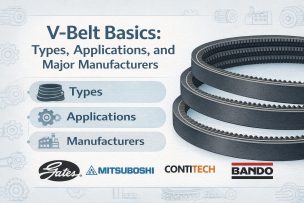
V-Belt Basics: Types, Applications, and Major Manufacturers

A V-belt is an industrial power transmission belt with a trapezoidal (V-shaped) cross section. It transmits power by engaging with pulleys.

By utilizing friction efficiently, V-belts can transmit power reliably and are widely used in applications ranging from industrial machinery and automobiles to HVAC systems.

This article explains the fundamentals of V-belts, their types and standards, as well as major manufacturers and where to purchase them.
続きを読む

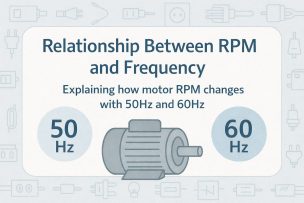
Motor Speed vs. Frequency: How 50 Hz and 60 Hz Change RPM

The rotational speed of an electric motor is determined by the power supply frequency (Hz).

In Japan, 50 Hz and 60 Hz regions coexist, so when relocating equipment or installing imported machines, differences in motor speed can become a serious issue.

This article explains the relationship between speed and frequency, the synchronous speed formula, and what actually changes between 50 Hz and 60 Hz in a clear, beginner-friendly way.

続きを読む

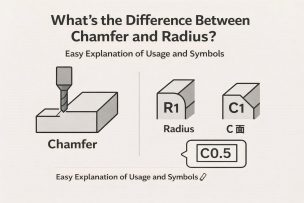
Chamfer vs. C-Edge: What’s the Difference? How to Choose Between C and R, and How to Read Drawing Notation

On mechanical drawings you’ll often see notes such as C1, C0.5, or R1.

These symbols specify how to finish an edge (a corner). However, a C-edge (chamfer) and an R-edge (radius/fillet) have very different purposes and final results.

This article explains the difference between chamfering (C) and radiusing (R), how to read the drawing notation, typical machining methods, and practical selection guidelines—written for beginners.

続きを読む

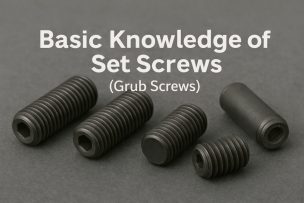
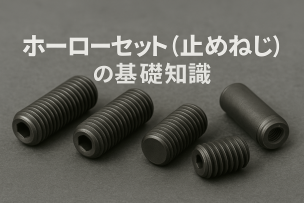
What Is an Set Screw? Uses, 5 Tip Styles, and 4 Drive Types Explained

An imo-neji is a machine element used to secure parts in position. In Japanese workplaces it may also be called a set bolt, hollow set (horo set), or retaining/set screw. It is a type of threaded fastener used for clamping and positioning components.

This page explains what an imo-neji is, where it is used, the different tip (point) styles, and the head/drive types.

続きを読む

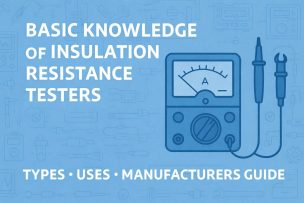
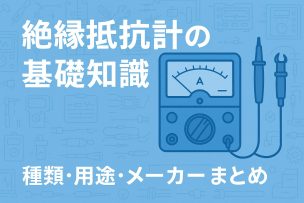
How to Use an Insulation Resistance Tester (Megger): Principle, Test Procedure, and Major Manufacturers

An insulation resistance tester (often called a “Megger”) is an essential instrument for checking the insulation condition of electrical equipment and wiring, helping you detect leakage current and insulation deterioration early.

It is widely used for inspection of motors, switchboards, and cables—making it a core tool for preventive maintenance and electrical safety management.

This article explains the measurement principle, step-by-step test procedure, and key characteristics of major Japanese manufacturers.

続きを読む

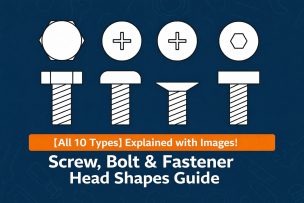
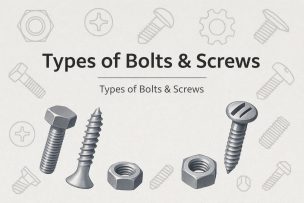
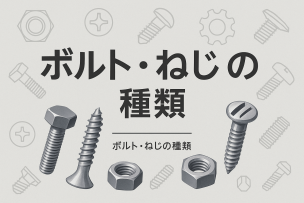
Fastener Basics: The Difference Between Screws, Bolts, and “Bisu” (Machine Screws) — Plus 24 Common Types (Features, Uses, and Head Styles)

In Japanese manufacturing and DIY, you’ll often hear the words neji (screw/threaded fastener), bolt, and bisu (Machine Screws). They’re used interchangeably in daily conversation, but in practice there are clear differences in how each term is typically used.

This page explains the fundamentals: what “threads” really mean, how bolts differ from smaller screws, and what people usually mean by “bisu.” We’ll also cover representative types, their typical applications, and how their shapes affect installation and performance—useful for maintenance technicians, designers/engineers, and DIY users choosing the right fastener.

続きを読む