Chamfer vs. C-Edge: What’s the Difference? How to Choose Between C and R, and How to Read Drawing Notation

On mechanical drawings you’ll often see notes such as C1, C0.5, or R1.

These symbols specify how to finish an edge (a corner). However, a C-edge (chamfer) and an R-edge (radius/fillet) have very different purposes and final results.

This article explains the difference between chamfering (C) and radiusing (R), how to read the drawing notation, typical machining methods, and practical selection guidelines—written for beginners.

続きを読む

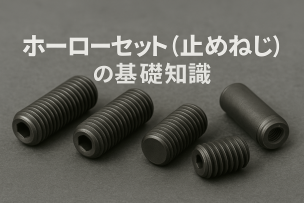
What Is an Set Screw? Uses, 5 Tip Styles, and 4 Drive Types Explained

An imo-neji is a machine element used to secure parts in position. In Japanese workplaces it may also be called a set bolt, hollow set (horo set), or retaining/set screw. It is a type of threaded fastener used for clamping and positioning components.

This page explains what an imo-neji is, where it is used, the different tip (point) styles, and the head/drive types.

続きを読む

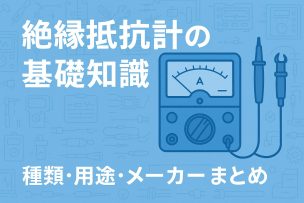
How to Use an Insulation Resistance Tester (Megger): Principle, Test Procedure, and Major Manufacturers

An insulation resistance tester (often called a “Megger”) is an essential instrument for checking the insulation condition of electrical equipment and wiring, helping you detect leakage current and insulation deterioration early.

It is widely used for inspection of motors, switchboards, and cables—making it a core tool for preventive maintenance and electrical safety management.

This article explains the measurement principle, step-by-step test procedure, and key characteristics of major Japanese manufacturers.

続きを読む

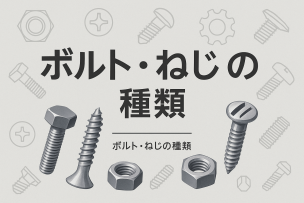
Fastener Basics: The Difference Between Screws, Bolts, and “Bisu” (Machine Screws) — Plus 24 Common Types (Features, Uses, and Head Styles)

In Japanese manufacturing and DIY, you’ll often hear the words neji (screw/threaded fastener), bolt, and bisu (Machine Screws). They’re used interchangeably in daily conversation, but in practice there are clear differences in how each term is typically used.

This page explains the fundamentals: what “threads” really mean, how bolts differ from smaller screws, and what people usually mean by “bisu.” We’ll also cover representative types, their typical applications, and how their shapes affect installation and performance—useful for maintenance technicians, designers/engineers, and DIY users choosing the right fastener.

続きを読む

ホールソーの使い方と選び方|大径穴あけに便利な専用ビット

ホールソー(ホールカッター)は、電動ドリルやインパクトドライバーに取り付けて、配管穴・コンセント穴などの大径穴をあける専用ビットです。

木材・金属・樹脂・石膏ボードなど、素材に合わせた刃形状があり、DIYから設備工事まで幅広く活用されています。

この記事では、ホールソーの種類・使い方・選び方をわかりやすく解説します。

続きを読む

チェーンテンショナーとは?張力調整機構の役割と種類をわかりやすく解説

チェーンテンショナーとは、**チェーン伝動において適切な張力を維持するための調整機構**です。

張力不足や過張力は、騒音・摩耗・外れなどのトラブルを引き起こします。

この記事では、チェーンテンショナーの役割、必要性、種類、選定・設置時の注意点をわかりやすく解説します。

続きを読む

歯付きベルトのバックラッシュとは?位置決め精度への影響をわかりやすく解説

歯付きベルト(タイミングベルト)は、滑りがなく正確な位置決めが可能な伝動方式ですが、実際にはバックラッシュ(遊び)がゼロではありません。

この記事では、歯付きベルトにおけるバックラッシュの正体、発生原因、位置決め精度への影響、低減方法をわかりやすく解説します。

続きを読む

Vベルトのコグ形状とは?低損失・高効率の理由をわかりやすく解説

Vベルトには、表面に切り欠き(コグ)が入ったコグドVベルトと呼ばれるタイプがあります。

同じサイズでも伝達効率や寿命が向上するため、近年は標準Vベルトからの置き換えが進んでいます。

この記事では、Vベルトのコグ形状の意味、効率が上がる理由、通常Vベルトとの違い、選定時の注意点をわかりやすく解説します。

続きを読む